Independent · cited · trilingual
Jarcho-Levin syndrome, explained for families.
You may have just heard this name after an ultrasound, or after years of not knowing what to call it. Either way, the name itself is part of the confusion: medicine is retiring it. Here is what it meant, what replaces it, and what actually matters for your child.
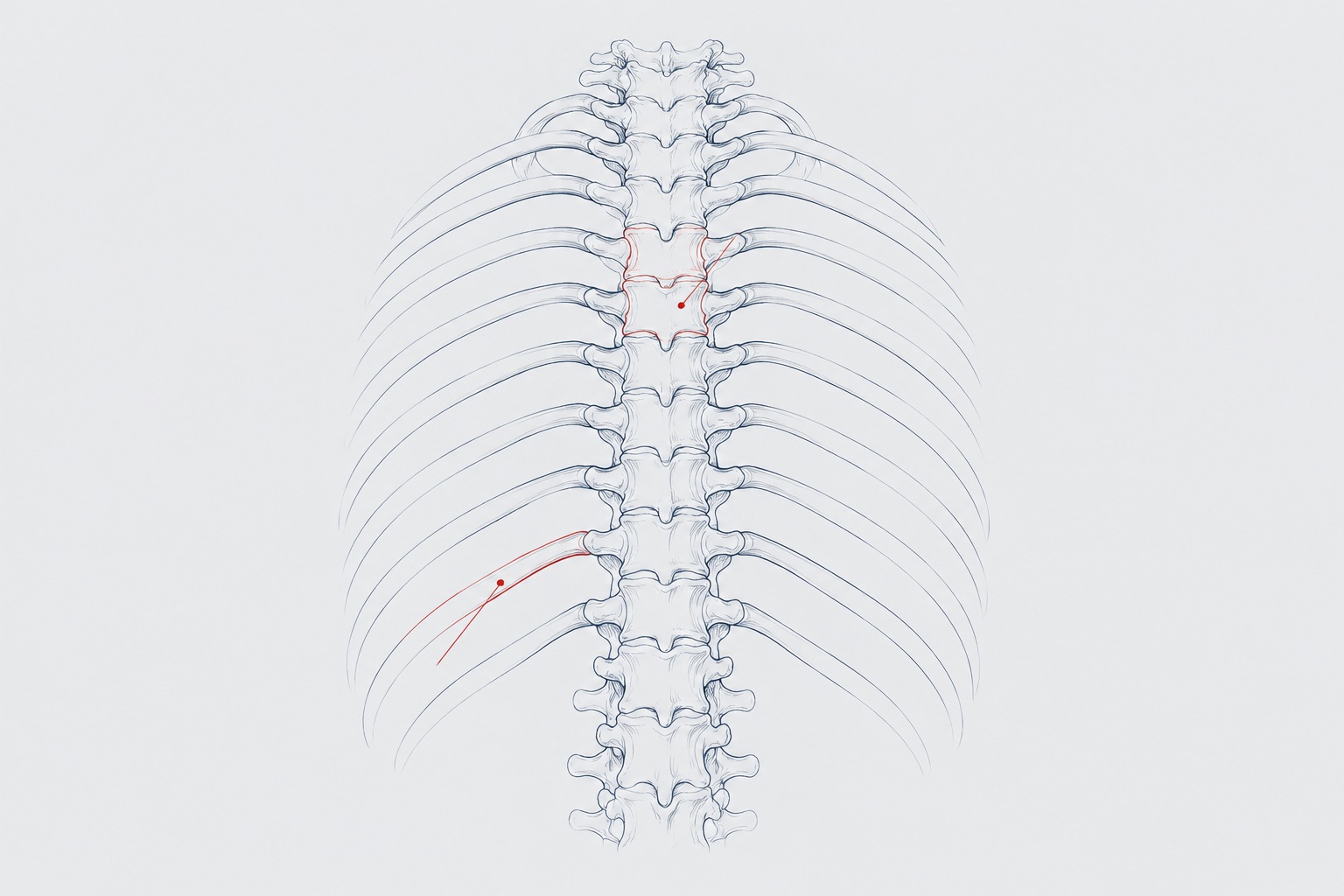
First, find out which one you are dealing with.
"Jarcho-Levin syndrome" is an older umbrella label for two distinct conditions. Almost every question families ask, from breathing to the odds in a next pregnancy, has a different answer for each. Follow the spine: it splits here.
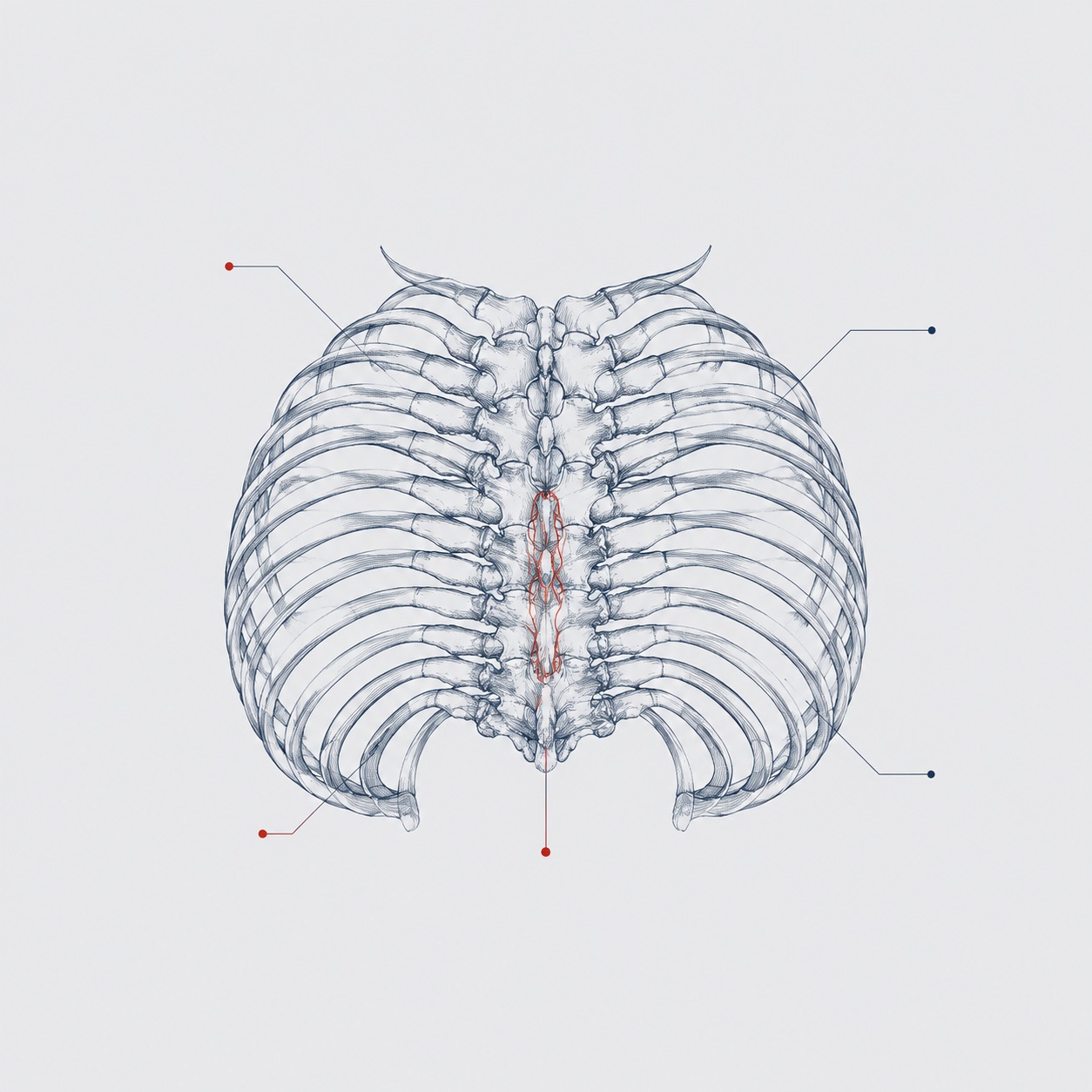
Spondylothoracic dysostosis
STD · Lavy-Moseley- Ribs fuse where they meet the spine on both sides, the "crab-like" chest on X-ray
- Smaller, stiffer chest, so breathing support early in life is common
- Seen most often in families of Puerto Rican descent
- Recessive: 25% chance for each sibling
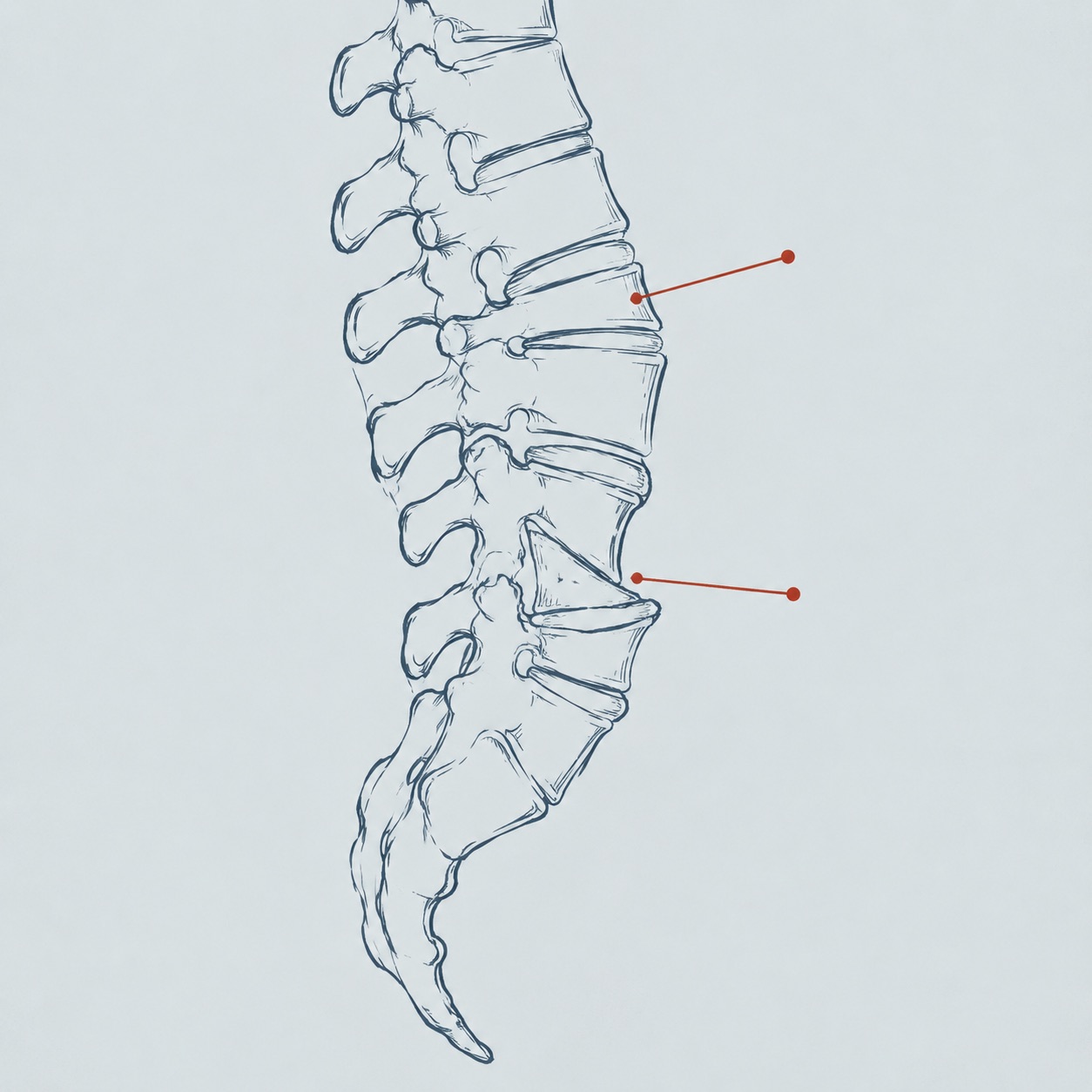
Spondylocostal dysostosis
SCD · SCDO · spondylocostal dysplasia- Vertebrae misshapen and fused in various ways; ribs may fuse too
- Usually a milder course; many people live into adulthood
- Not tied to one ancestry; rare everywhere
- Mostly recessive, some dominant forms
Why the name is being retired. Reviews over the past two decades concluded that lumping these together mixes two conditions with different genetics, different breathing risk, and different outcomes, confusing counseling and the older statistics you will find online. GeneReviews via MEDLINE; Radiopaedia
Three moments families arrive from.
The questions change depending on where you are. Pick the closest one.
"The ultrasound showed ribs and spine differences."
What happens next: targeted scans, fetal medicine referral, and the questions worth asking before delivery day.
Read the prenatal guide →"My child is here. Now what?"
Breathing support, chest wall surgery such as VEPTR, growth watching, and how the multi-specialty team works.
Read about care →"Will this happen again?"
Recessive vs dominant inheritance, recurrence numbers, testing options, and what carrier status means.
Read the genetics guide →"Is anything actually being done about this?"
Where the science genuinely stands: growth-friendly surgery, long-read genetic diagnosis, and the honest trial landscape.
Read the research frontier →The prognosis question, answered honestly.
"What is the life expectancy?" is the first question in every parents' forum thread. The honest answer is a range, not a number, and the range depends on which condition.
Short answer: for SCD, most reported patients reach adulthood with normal intellect and near-normal life span, though severe cases exist. For STD, respiratory failure in infancy is the main risk, and outcomes historically clustered at two ends, but modern neonatal respiratory care and surgical chest wall reconstruction have changed the picture for babies born today. Numbers online from older case series describe an era before that care.
| Question families ask | SCD | STD |
|---|---|---|
| Chest and breathing | Chest usually near normal size; scoliosis is the main issue | Small stiff chest; early breathing support common |
| Intellect | Typically normal | Typically normal |
| Inheritance | Mostly recessive, some dominant | Recessive |
| Next pregnancy risk | 25% if recessive; up to 50% if dominant form | 25% |
| Adulthood | Commonly reached | Possible with modern care; infancy is the critical window |
"Overall my disability is on the milder side when it comes to Jarcho Levin Syndrome."
an adult with SCD, r/JarchoLevin community
Read this before trusting any single number. Both conditions are rare enough that published figures come from small case series, often mixing SCD and STD under the old Jarcho-Levin label, and published series oversample the severe cases that reach hospitals. Treat any single percentage as a description of that study, not of your child. Ochsner Journal; NORD; GeneReviews
conditions under one retiring name. We keep them straight, with sources.
From people who live with this.
"Overall my disability is on the milder side when it comes to Jarcho Levin Syndrome."
"I was the 27th person to get special titanium rods in my chest."
Families deserve the same sources clinicians read.
Every claim carries a source
Claim, then citation. If we cannot trace a statement to a verifiable publication or registry entry, we do not publish it.
You can see how old each fact is
Medicine moves. Each page states when it was reviewed, and the evidence log records what changed and why.
We orient, your team treats
This site explains concepts and prepares questions. It never replaces the geneticist, surgeon, or neonatologist who can examine your child.